
Amazon in Transition
The Amazon at the Heart of a Just Energy Transition
The Amazon paradox: natural wealth amid extractive pressures
The Amazon is vital for our planet’s climate balance—home to extraordinary biodiversity, around 48 millions people and approximately 400 Indigenous Peoples' groups, whose lives and cultures depend directly on its forests, rivers and lands.
Yet growing pressure to exploit its oil, gas and mineral reserves is driving deforestation, environmental degradation and social conflicts. These pressures particularly affect Indigenous Peoples, who have long safeguarded these territories. The Amazon’s future—and the world’s—depends on how we manage the tension between conserving this unique ecosystem and meeting the demands of the energy transition.
Explore NRGI's work around the Amazon’s transition across three fronts:
- Phasing out fossil fuels with justice and equity
- Governing transition minerals responsibly
- Tackling illegal gold mining
The Amazon is central to promoting a just energy transition and protecting biodiversity, two sides of the same coin in our goal to preserve life on the planet. Strong governance and respect for local rights are the base to build new prosperity pathways for sustainable development.
Phasing out fossil fuels with justice and equity
Phasing out fossil fuels is essential to limit climate change, but it must not come at the expense of the people and environments that have borne extraction’s greatest costs.

An equitable transition means safeguarding the Amazon, respecting Indigenous territories and ensuring that new development pathways are grounded in climate justice and human rights. This also means addressing the legacy of environmental damage through proper remediation and ensuring a responsible phase-out process that leaves no communities or ecosystems behind.
A just transition away from fossil fuels in the Amazon must start with the people who live there. It cannot be defined solely by global markets, but by local realities, livelihoods, and the communities who will shape a future beyond oil and gas.
Fossil fuel phase-out insights
Explore our analysis on responsible fossil fuel phase-out in the Amazon



Transition minerals governance
Demand for transition minerals, such as copper and lithium, is increasing rapidly as countries accelerate their energy transitions. It is estimated that the Amazon holds around 4.6 billion pounds of copper, which could make Colombia the third-largest copper producer in Latin America, after Chile and Peru. Yet mining often unfolds in ecologically fragile and socially complex territories, where weak governance, insufficient safeguards and limited participation can amplify environmental degradation and social conflict.
Strong, transparent and participatory governance can turn mineral wealth into a driver of sustainable and inclusive local development, rather than a new source of risk, instability and degradation.
Good governance of transition minerals starts with transparency and participation. Communities must have a say in how resources are developed, and the benefits must be shared fairly.
Transition minerals insights
Explore our research on transition minerals governance


Illegal Gold Mining: A Growing Threat to the Amazon
Illegal gold mining is one of the most serious challenges facing the Amazon, particularly in the Loreto region, including in Peru’s Loreto region. The gold economy has brought short-term income but also contaminated water, fueled criminal activity, and disrupted education and livelihoods.
Lack of formal institutions and limited enforcement have allowed illicit networks to expand their influence over local authorities, undermining environmental governance and social stability.
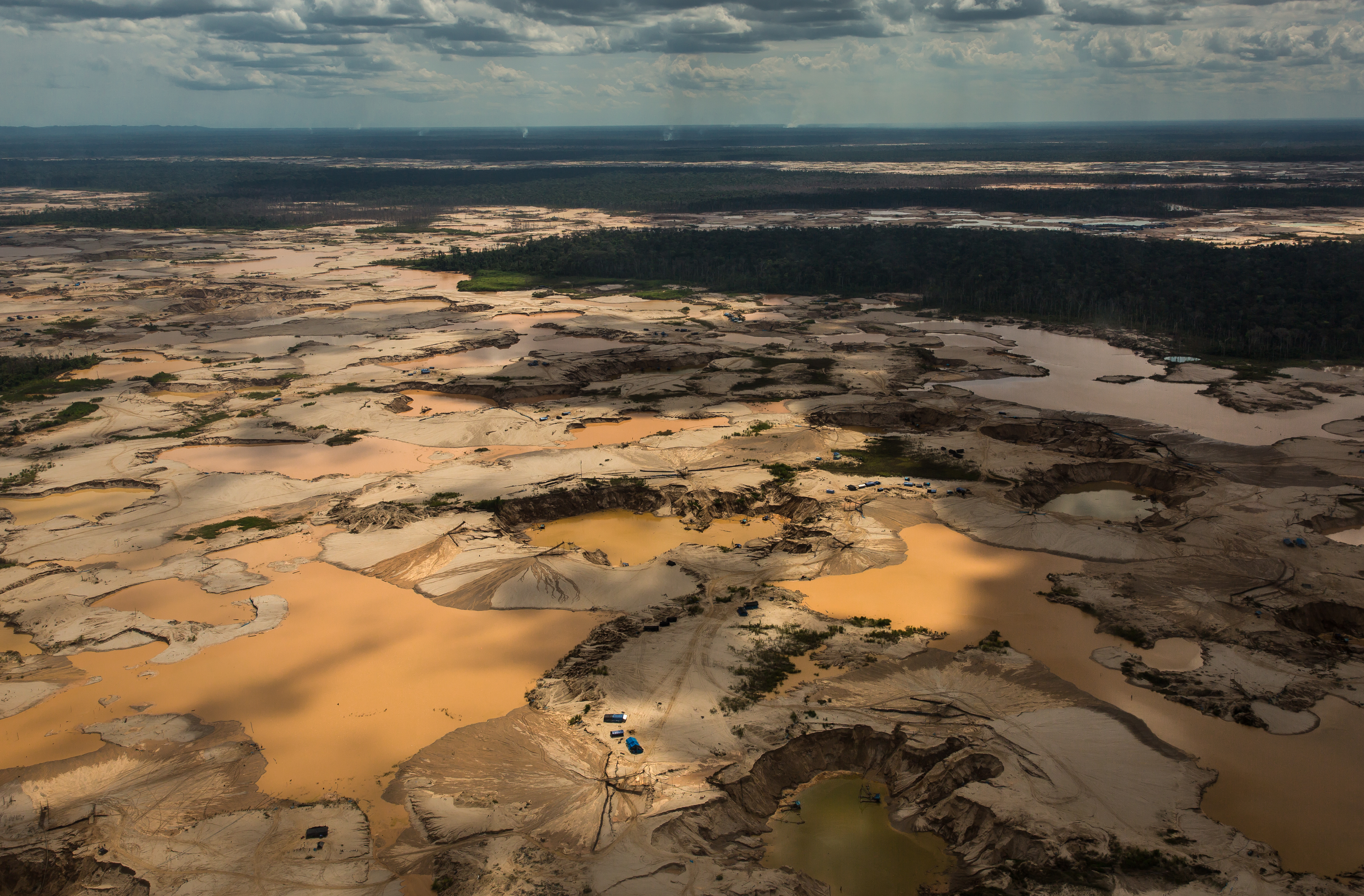
Addressing this challenge requires stronger oversight, better enforcement and regional coordination. Integrating economic alternatives, transparency and accountability into public policy can help restore trust and support a just transition across the region.
Illegal gold mining does not emerge solely from the presence of criminal organizations operating in remote areas of a country. Rather, it is the result of policy decisions that sustain regulatory weaknesses, or worse, deliberately loosen existing regulations, creating impunity and allowing this illicit economy to develop and thrive.
Illegal gold mining insights
Learn more about illegal gold mining in the Amazon


See the Amazon through a new lens
Explore our online photo exhibition capturing the people, landscapes and extractive frontiers of Loreto, Peru—a region at the heart of the Amazon’s transition.
A shared regional vision for the Amazon
The Amazon’s challenges and opportunities cross national borders. Lasting solutions depend on coordinated governance that balances environmental protection, social inclusion, and sustainable development.
From Colombia to Peru, NRGI works with partners, civil society, and communities to strengthen governance and transparency so that transitions away from fossil fuels and toward new mineral economies benefit people and protect nature.
