
Strengthening Methane Emissions Reduction in Nigeria’s Oil and Gas Sector

Key messages
- Nigeria, with the world’s ninth-largest gas reserves, is a major methane emitter, accounting for 16 percent of sub-Saharan African methane emissions from 2010 to 2020. As the Federal Government aims to expand domestic gas use and exports, immediate action is needed to prevent increasing methane emissions from the oil and gas sector.
- Unchecked oil and gas sector methane emissions threaten to exacerbate the climate change crisis, harm community health and safety, and undermine Nigeria’s capacity to trade in the global market and leverage the proceeds to sustain its economy.
- Nigeria needs a robust methane emissions framework to address technical and regulatory gaps across the oil and gas value chain. Frameworks should deliver tailored monitoring reporting and verification (MRV) systems that combine satellite and leak detection and repair (LDAR)technologies, create synergy among stakeholders, and incentivize methane emissions reduction.
- Oil and gas companies, including Nigerian National Petroleum Corporation Limited (NNPCL), must prioritize investments in methane emissions reduction technologies, reflect global environmental commitments in local operations, and participate in independent data disclosure initiatives, such as the new Extractive Industries Transparency Initiatives (EITI) requirements for greenhouse gas emissions and the Nigeria EITI (NEITI) audit process.
- Civil society organizations should raise awareness, demand robust methane emissions frameworks and leverage tools such as the EITI standards to monitor company and government compliance with national and global commitments.
Introduction
Reducing methane emissions is both a global climate imperative and a matter of urgent domestic importance for Nigeria.
Methane (CH4) is a potent greenhouse gas and a significant component (70-90 percent) of gas. Processes such as flaring, fugitive emissions, and venting contribute to the release of methane across the oil and gas value chain. Flaring involves the controlled burning of natural gas that cannot be captured or used, converting methane into carbon dioxide (CO2) and water vapor—both of which have lower global warming potentials than methane. However, inefficient or incomplete flaring can release unburned methane into the atmosphere. Fugitive emissions are unintentional methane leaks from valves, pipes, and storage tanks throughout the gas supply chain. Venting, the direct release of methane into the atmosphere without combustion, occurs during well completions, maintenance, and equipment malfunctions, and is extremely environmentally harmful as it releases methane in its pure form.
The global energy transition is driven by the urgent need to mitigate climate change impacts, enhance energy security and exploit the socio-economic benefits of cleaner energy sources. This transition involves moving away from fossil fuel dependency toward cleaner, more sustainable energy forms. The imperative to reduce greenhouse gas emissions, notably carbon dioxide and methane, is a key element of this shift. Methane, 84 times more potent than CO2 in trapping heat in the atmosphere over a 20-year period, necessitates immediate action to reduce emissions from high-emitting industries, such as the fossil fuel sector, which is responsible for over 75 percent of global greenhouse gas emissions.
Key statistics on Nigeria’s oil, gas and energy sectors
| Metric | Value |
| Contribution to sub-Saharan Africa's methane emissions (2010-2020) | ~16% |
| Ranking in global oil production (2022) | 11th |
| Average daily oil production (2022) | 1.5 million barrels |
| Proven oil reserves | 37.50 billion barrels |
| Percentage of world’s oil reserves held | ~2.2% |
| Proven natural gas reserves | 209.6 trillion cubic feet |
| Ranking in global LNG exports (2021) | 7th |
| LNG export volume (2021) | ~17.9 million metric tons |
| Ranking in global LNG export capacity (2023) | 7th |
| Electricity generation in 2021 | ~31.5 gigawatt hours (74% from fossil fuel sources) |
| Global gas flaring rank | 7th (2021) |
Nigeria is an established player in the global energy sector, and a country heavily reliant on fossil fuels, with ambitions to further scale its exploration and utilization of fossil fuels, notably gas. As such, Nigeria must manage the risk that ballooning methane emissions will prevent the country from meeting global climate commitments and keep its fossil fuel investments and exports from being competitive in the context of global energy transition and dwindling domestic revenues.
To navigate these challenges, Nigeria must reduce methane emissions without undermining the sustainable development of its economy by devising strategies that incorporate environmental, social and economic considerations.
This briefing depicts the landscape of methane emissions in Nigeria, highlighting socio-economic and environmental costs, opportunities, reduction efforts and trends, current emissions profile and barriers to progress. We also propose pathways to an effective reduction.
Present state of methane emissions in Nigeria
Economic harms
Methane emissions pose a formidable challenge for Nigeria’s hydrocarbon-driven economy. For example, the European Union’s stringent methane regulations, due to be in force by January 2027, stipulate that EU importers demonstrate by 2027 that new import contracts for oil and gas adhere to similar monitoring, reporting, and verification obligations applying to EU producers and by 2030 that methane intensities of production meet certain maximum methane intensity values. The financial penalties that non-compliance would likely entail could potentially curtail Nigeria’s access to EU markets. The EU currently represents a key market for Nigerian exports, accounting for 43 percent of Nigerian crude oil exports and 60 percent of Liquefied Natural Gas (LNG) exports in 2023. Most of the companies that have long-term sales contracts with the Nigerian Liquified Natural Gas Company (NLNG) are either European utilities or intermediaries like Eni, Shell or Vitol that re-sell most of the LNG they buy from Nigeria in Europe. The potential risk of other importers taking similar action could further threaten Nigeria’s capacity to trade in the global market and leverage the proceeds to sustain its economy.
This imminent threat underscores the urgency of adopting significant emission reduction measures. The global call by both public and private investors demanding that oil and gas companies clean up their production emissions reinforces this. Lower-carbon oil and gas projects are more likely to receive financing than those with higher emissions intensity. Institutional investors expect that high-emission oil and gas projects will not be viable in the near future. Financial organizations are increasingly restricting their activities or ruling themselves out as lenders. Failure to address emissions in Nigeria could, therefore, increase the cost of borrowing faced by the government and its partners for fossil fuel projects, eating into profits and government revenues from profit-based taxes.
According to the Stakeholder Democracy Network (SDN)’s report on the Nigerian oil industry’s environmental performance, Nigeria loses significant revenue as a result of gas flaring. In Nigeria, gas flaring, despite prohibitions and fines, persists as a major issue. Nigerian Gas Flare Tracker (NGFT) data indicate that companies should have paid $280 million in fines for gas flared in 2020 alone. Over a three-year period (2018-2020), a staggering 1.2 trillion cubic feet of gas was flared in the Niger Delta, potentially amounting to fines of $1.2 billion.
The Nigerian Upstream Petroleum Regulatory Commission (NUPRC), the upstream regulator of the oil and gas sector in Nigeria, challenges these figures, emphasizing that methane emissions estimates based on satellite technology, such as the NGFT, have a considerable margin of error (9 to 13 per cent) and, as such, are not ideal for determining accurate fiscal metrics such as payable fines and unpaid fines. NUPRC suggests that its approach of determining payable fines and defaults through source-based physical metering methods is more accurate. However, NUPRC has not provided clarity on outstanding fines nor evidence of payment of fines.
Environmental, social and health-related harms
Nigeria’s methane emissions pose significant threats to environmental health and safety, exacerbating the impacts of climate change.
Methane not only contributes to global warming but also interacts with other atmospheric processes to create harmful effects. Methane emissions contribute to the formation of ground-level ozone, a hazardous air pollutant and greenhouse gas. This photochemical smog formation, resulting from the reaction of methane and other volatile organic compounds with nitrogen oxides under sunlight, can damage ecosystems and lead to respiratory problems in humans. Long-term exposure to ground-level ozone has been linked to respiratory and cardiovascular deaths, with significant findings in North American studies but limited data from other continents, including Africa.
Methane also exacerbates the climate crisis, which has severe health implications through increased heatwaves, floods and disease spread. High temperatures due to climate change are a major health risk. Additionally, methane emissions can affect stratospheric ozone, influencing levels of ultraviolet radiation.
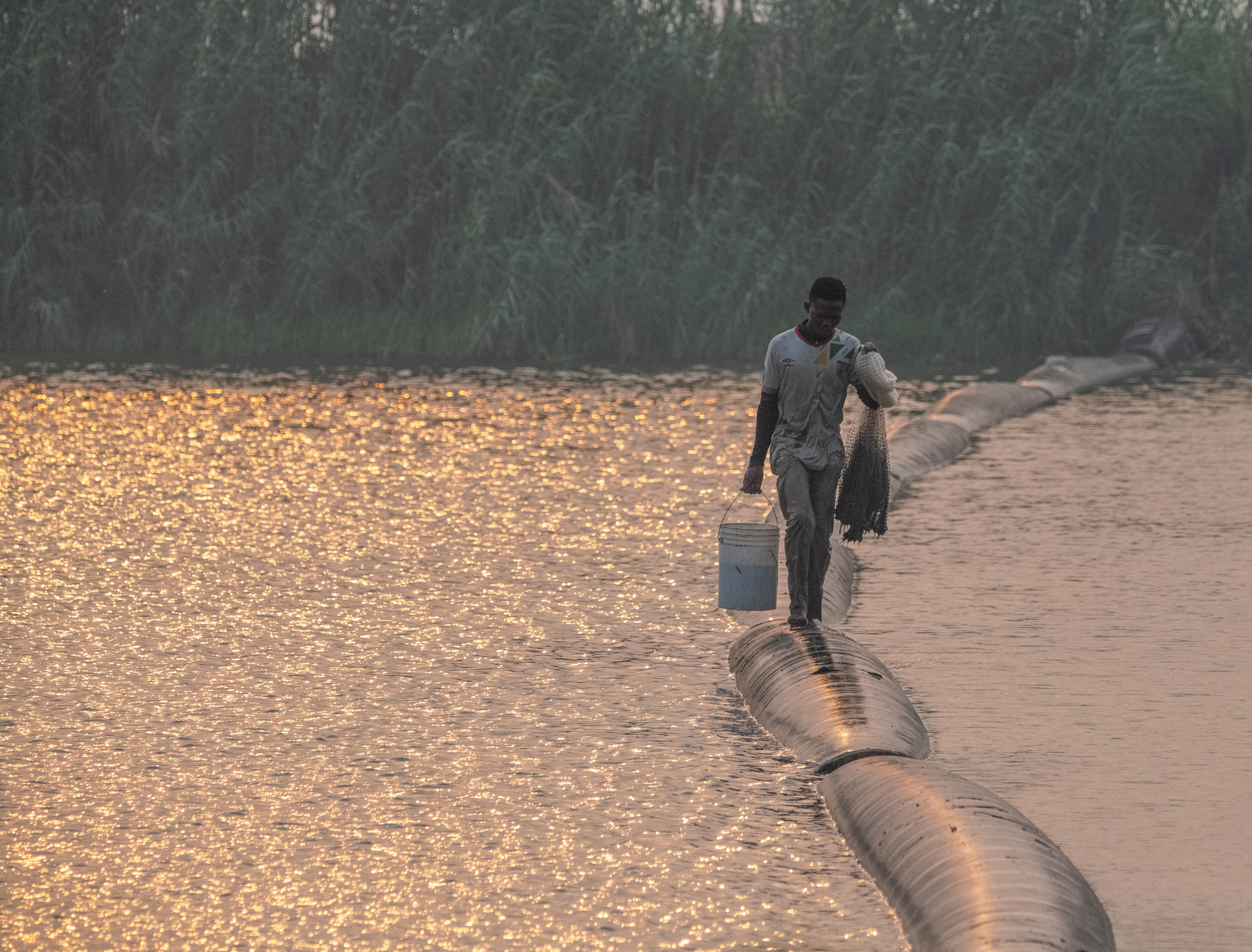
The impact of methane emissions is particularly severe for Nigeria’s oil- and gas-producing communities, which are at the forefront of climate change vulnerability. These communities face heightened risks from extreme weather events, desertification, flooding and sea encroachment.
Potential opportunities
Beneath these challenges lie untapped opportunities. The International Energy Agency (IEA) estimates that in 2023, Nigeria could have generated about $350 million in revenues from methane abatement by selling recovered gas, while needing to spend an average of only $240 million per year in abatement efforts. It also estimates that 74 percent technical abatement is possible, with 67 percent share of methane emissions avoidable at no net cost (no net cost requires the sale of gas recovered)
By implementing planned methane abatement initiatives, Nigeria can enhance its domestic energy security while contributing to a more sustainable and resilient energy sector. This approach not only aligns with global environmental standards but also propels Nigeria toward a future of sustainable innovation and diversified energy resources.
Figure 1. Estimated oil and gas methane abatement cost for Nigeria
Nigeria’s methane emission mitigation measures to date
Nigeria’s government has, in stages, tried to curtail methane emissions from its oil and gas sector, adopting a strategy that includes global commitments, regulatory frameworks, and enhanced monitoring, reporting, and verification (MRV) systems.
Emission reduction targets for the oil and gas industry
Nigeria’s 2018 Short-Lived Climate Pollutants (SLCP) Action Plan, the 2050 Long-Term Vision for Nigeria (LTV-2050) and the 2021 update to Nigeria’s first Nationally Determined Contributions (NDC) include specific methane reduction targets for the oil and gas sector. (See Table 1.) The 2018 SLCP Plan set a goal of eliminating gas flaring entirely by 2020, contingent on the success of the Nigerian Gas Flare Commercialisation Program (NGFCP). However, the NGFCP is yet to be fully implemented, and is currently at the preliminary stages. Additionally, the plan aimed for a 50 percent reduction in fugitive methane emissions and improved leakage control, dependent on the effective implementation of the Petroleum Industry Governance Bill (now the Petroleum Industry Act), which promotes the adoption of global best practices in the oil and gas industry.
Table 1. National targets for methane reduction in Nigeria’s oil and gas sector
| Nigeria’s 2018 SLCP Action Plan | 2021 update to Nigeria’s first NDC report | |
| Elimination of gas flaring | 100% eliminated by 2020 | 100% eliminated by 2030 |
| Fugitive methane emissions/leakage control | 50% reduction by 2030 | 60% reduction in fugitive emissions by 2031 |
Global commitments and regulatory frameworks
In 2019, Nigeria took a significant step forward when the Federal Ministry of Environment (FMEnv), in collaboration with the Climate and Clean Air Coalition (CCAC), crafted a National Action Plan (NAP) aimed squarely at addressing short-lived climate pollutants (SLCPs), including methane. The Nationally Determined Contributions (NDC) update of 2021 revised the reduction targets for fugitive emissions previously set in SLCP NAP.
The commitment deepened in August 2022 with the launch of the Nigerian Energy Transition Plan (ETP), which addresses residual methane emissions, including strategies that reduce emissions at a cost that is lower (cost-positive) or higher (cost-negative) than the economic benefits they generate. At the COP27 climate conference, the country unveiled its NUPRC Fugitive Methane and Greenhouse Gas Guidelines, the first of their kind in Africa, pioneering a set of regulations aimed at reducing emissions from the upstream segment of the Nigeria oil and gas industry. This move not only underscored Nigeria’s leadership in methane mitigation on the African continent but also showcased the pivotal role of the new Petroleum Industry Act, 2021 (PIA). The PIA empowers the NUPRC to independently introduce or amend regulations, allowing for swift and decisive environmental action. To this end, the NUPRC in 2023 also developed the Regulation on Gas Flaring, Venting and Methane Emissions from the oil and gas sector in Nigeria. Additionally, the Nigerian Midstream and Downstream Petroleum Regulatory Authority (NMDPRA) has revealed that a methane-specific guideline is being developed. This guideline will aim to address methane emissions reductions, in the midstream and downstream sector of the Nigerian oil and gas industry.
The Petroleum Industry Act’s enactment and implementation can further actively support methane mitigation efforts in Nigeria. Specifically, the deployment of cost-positive policies such as the Nigeria Gas Flare Commercialization Programme (NGFCP), which aims to significantly lower methane emissions. In response to these developments, the National Council on Climate Change (NCCC), Nigeria’s primary climate regulator, seeks to adopt a “whole-of-government strategy” to orchestrate methane mitigation across all relevant sectors to fulfil Nigeria’s Nationally Determined Contribution (NDC) targets.
To this end, the NCCC has established a “Methane Mitigation Technical Working Group,” which convenes representatives from the government, regulatory bodies, and the private sector, creating a vital platform for achieving Nigeria’s methane emissions reduction goals as stipulated by the Paris agreement and Nigeria’s NDC.
Throughout this period, Nigeria has aligned with several international frameworks and initiatives that bolster its methane reduction agenda. Membership in the Climate and Clean Air Coalition (CCAC) and partnership with the World Bank’s Global Gas Flaring Reduction Partnership (GGFR) reflects Nigeria’s commitment to global collaboration. Similarly, the endorsement of the Zero Routine Flaring by 2030 Initiative and joining the Global Methane Alliance in 2019 underpin Nigeria’s dedication to ambitious methane reduction targets. 2022 marked an important step in Nigeria’s methane emission reduction journey as the country positioned itself as a global methane pledge champion.
Domestically, Nigeria has added policy instruments like the Environmental Guidelines and Standards for the Petroleum Industry in Nigeria (EGASPIN) 2018, the Associated Gas (Re-injection) Act 1979 (AGRA), and the National Oil Spill Contingency Plan (NOSCP) that contribute to a regulatory environment conducive to methane mitigation. The nation’s NDCs 2021 update and the 2050 Long-Term Vision (LTV-2050) articulate ambitious goals for reducing greenhouse gas emissions, embedding methane reduction within broader climate action and sustainable development frameworks in Nigeria.
Monitoring, reporting and verification (MRV) initiatives
NUPRC requires all upstream operators in the Nigerian oil and gas sector to record and report daily volumes of natural gas produced from licensed and permitted facilities or sites across data points including amount of gas flared, amount of gas wasted by deliberate venting, incomplete combustion and fugitive emissions. Companies submit these records monthly to the commission. The regulation also requires that all licensed operators in the upstream sector shall be responsible for the installation and maintenance of metering equipment used for measuring disposed gas. These meters are to be installed and maintained by a licensed metering service provider in accordance with the NUPRC Measurement Regulations.
The NUPRC reports a 97 percent rate of physical metering and emissions reporting compliance with provisions of the regulations among operators in the upstream sector. However, the NUPRC and the Nigeria Extractive Industries Transparency Initiative (NEITI) continue to seek synergies to strengthen public disclosures of emissions data from the Nigerian oil and gas sector. NMDPRA is also finalizing similar guidelines for the midstream and downstream sectors.
Additionally, in 2014, the Federal Ministry of Environment launched a gas flare tracking system known as the Nigerian Gas Flare Tracker. The system primarily focuses on tracking CO2 emissions resulting from gas flaring. The National Oil Spill Detection and Response Agency (NOSDRA), in collaboration with Stakeholder Democracy Network (SDN) are developing a methane tracker platform to monitor methane emissions.
These initiatives underscore Nigeria’s efforts to mitigate methane emissions, particularly within its oil and gas sector. Despite these initiatives, the country’s methane emission levels remain a concern. The situation is compounded by Nigeria’s ambitious plans to expand fossil fuel exploration and utilization, which, without parallel advancements in emission reduction strategies, could further exacerbate methane emissions in the country.
Challenges to methane emissions reduction
Despite recent efforts, methane emissions from oil and gas continue to rise. While gaps in existing MRV systems mean that much uncertainty remains over the precise levels of methane emissions in Nigeria, accepted estimates suggest that Nigeria contributed 16 percent to sub-Saharan Africa’s total from 1990 to 2020, with the energy sector—primarily through the oil and gas industry—accounting for around 60 percent of the country’s emissions.
Figure 2 describes the primary sources of methane emissions in the sector. These include venting in onshore and offshore fields and from gas pipelines and Liquefied Natural Gas (LNG) facilities, responsible for 68 percent of total emissions; incomplete gas flaring (12 percent); and fugitive emissions (19 percent).
Figure 2. Methane emissions sources from Nigeria’s oil and gas sector (2023)
The International Energy Agency (IEA) estimates that, between 2022 and 2023, methane emissions from incomplete flaring and fugitive emissions have increased in Nigeria. Emissions from gas flaring activities increased by 107.9 percent from 103.51 kilotons (kt) in 2022 to 215.22 kt in 2023, while fugitive emissions increased by 29 percent from 255.32 kt in 2022 to 362.01 kt in 2023. Emissions from venting dropped by 9 percent from 1,392.27 kt in 2022 to 1,273.77 kt in 2023.
Figure 3. Comparison of methane emission estimates from the Nigeria oil and gas sector (2022-2023)
Nigeria’s planned expansion of gas utilization and exploration activities carries inherent risks of increasing emissions. Expansion will exacerbate fugitive emissions through leaks from the sprawling pipeline and infrastructure network, which already suffers from vandalism and lack of oversight, as well as other risks caused by the venting and flaring of natural gas. However, the NCCC, Federal Ministry of Petroleum Resources and the NUPRC can mitigate these by implementing the government’s decarbonization plans, as captured within the Decade of Gas Policy.
Inaccurate data and insufficient transparency
Data inaccuracy and transparency deficits in Nigeria’s oil and gas industry stem from significant measurement and detection challenges. Establishing robust baselines and targets requires accurate measurement, which has been elusive in Nigeria. Reliance on inconsistent methodologies and industry self-reporting without data triangulation undermines the credibility of methane emissions data. Independent and empirically verified measurements are scarce, leading to a ten-fold variance between the lowest and highest estimated methane emissions reported by the government and third-party sources.
Figure 4. Comparison of estimates for methane emissions from Nigeria’s oil and gas sector (multiple timeframes)
This lack of reliable baselines prevents the Federal Ministry of Environment; Department of Climate Change from setting realistic reduction targets and tracking progress. Investments in accurate measurement and reporting of flared gas and methane are urgently needed. Measurement systems that rely on standard industry factors for emissions calculations are often inefficient due to variances in region, technology and specific characteristics of the activity being evaluated, leading to significant under- or over-estimations and further undermining measurement accuracy. Detection is also challenging due to geographical barriers, as key oil and gas facilities are in remote, hard-to-reach areas. Additionally, operating companies in Nigeria have not invested in advanced leak detection technologies.
The Nigerian Gas Flare Tracker (NGFT) is currently the main emission detection system in Nigeria. It is regarded by civil society and the National Oil Spill Detection and Response Agency (NOSDRA) as more reflective of actual emissions levels than third-party tools such as the IEA methane tracker and other satellite-based systems outside of Nigeria. To address the lack of comprehensive local data on methane emissions, stakeholders such as the NOSDRA, in collaboration with the Stakeholders Democracy Network (SDN) with support from international partners, are modifying the NGFT, which currently detects CO2, to also capture methane emissions. The recent launch of the Methane Sat project promises more accurate methane emissions detection in Nigeria.
Opaque and disincentivized industry
In Nigeria, oil and gas companies (OGCs) are yet to uphold their commitments to methane reduction. This is compounded by the poor enforcement of existing policies and penalties, which civil society watchdogs and industry experts perceive to lack incentives that effectively enhance operational transparency and mitigate emissions. The NUPRC should further strengthen policies such as the Gas Flaring, Venting, and Methane Emissions Regulations and the NUPRC Fugitive Methane Guidelines and enforcement mechanisms to achieve transparency.
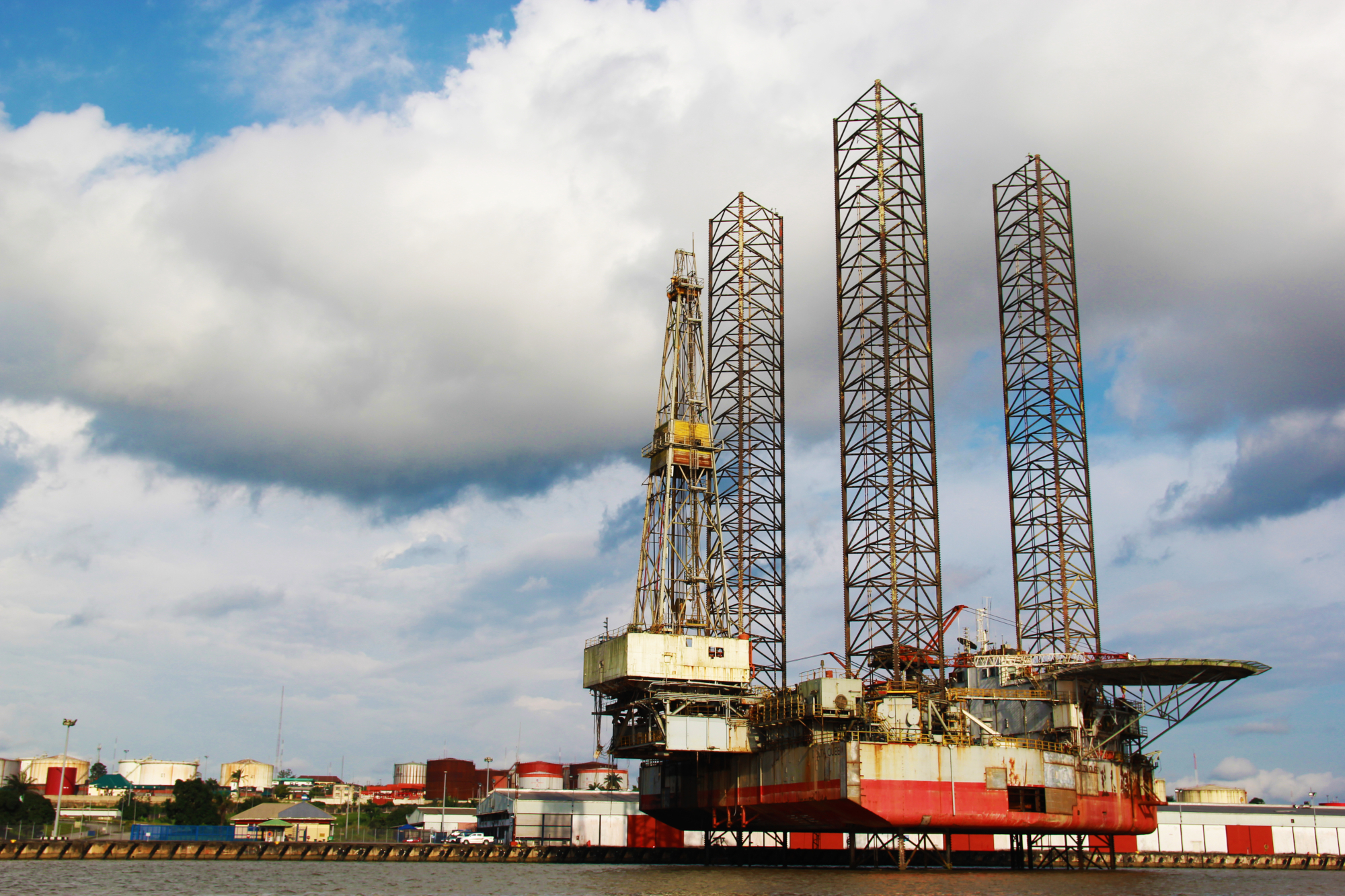
The voluntary compliance of international oil companies (IOCs) operating in Nigeria with international standards, such as the Oil and Gas Methane Partnership (OGMP 2.0), the Oil and Gas Decarbonisation Charter (OGDC), and the Oil and Gas Climate Initiative (OGCI), merit scrutiny. IOCs seem reluctant to invest in infrastructure maintenance, repair, and decommissioning, with some, such as Shell, preferring to divest, opening questions around the risk of companies escaping responsibilities.
The Nigerian National Petroleum Corporation Limited (NNPCL), which holds significant shares in several oil and gas assets in Nigeria, plays a crucial role in reducing methane emissions. However, NNPCL’s disclosure of emission-related information has been insufficient, especially in the post-Petroleum Industry Act (PIA) era. In February 2024, NNPCL announced plans to achieve net-zero carbon goals by implementing methane abatement strategies aligned with international best practices.
Untailored MRV tools and implementation challenges
The measurement, reporting, and verification (MRV) system enforced by the NUPRC primarily relies on self-reporting, complemented by leak detection and repair (LDAR) technologies used by oil and gas companies in the upstream sector. Despite stringent guidelines on self-reporting, data reported by companies should undergo independent third-party verification and triangulation. The NUPRC should also make these data publicly accessible through platforms like the Nigeria Extractive Industries Transparency Initiative (NEITI) and the NUPRC website, enabling stakeholders to verify and track MRV compliance.
NMDPRA is presently developing a regulation to establish and enforce the MRV system for the midstream and downstream sectors of Nigeria’s oil and gas industry. The NMDPRA faces several challenges, including emission denial, inadequate technical capacity, and insufficient infrastructure investment. Midstream operators often prioritize business interests over regulatory compliance, further complicating the situation.
Satellite monitoring and reporting systems, such as the Nigerian Gas Flare Tracker (NGFT), are being modified to include methane emissions. However, industry experts often criticize these systems as untailored to the operational specifics of Nigeria’s oil and gas industry. The NGFT provides emission estimates with a margin of error between 9 and 13 percent, and it can indiscriminately capture large emission plumes from non-oil and gas activities, making it unreliable for enforcing fiscal measures and penalties aimed at reducing methane emissions.
Implementing and complying with MRV systems in Nigeria is costly and requires significant expertise. Financial resources are limited, and regulatory oversight is fragmented, creating a substantial funding and accountability gap. This gap hinders efforts to develop a fit-for-purpose MRV system across the industry.
Additionally, collaboration among key stakeholders—regulatory bodies, industry players and academic institutions—is often limited. Enhanced data sharing and cooperation among these entities is crucial for fostering innovation and improving the reliability of MRV systems.
Regulatory gaps
The unclear definition of cross-cutting assets within Nigeria’s oil and gas value chains leads to jurisdictional overlaps among regulatory agencies in the upstream and downstream sectors. This overlap disrupts coordinated efforts for monitoring and mitigating methane emissions.
The NUPRC Fugitive Methane and Greenhouse Gas Emissions Guidelines and the Regulation on Gas Flaring, Venting, and Methane Emissions, 2023 do not require oil companies to disaggregate greenhouse gas emissions by type and quantity. The guidelines also do not mandate independent third-party validation of reported methane emissions, which should combine bottom-up, and source-level measurements.
Current gas flare penalties and policies need to be strengthened to adequately deter oil and gas companies. The NUPRC should strengthen these mechanisms and complement them with other incentives. The Nigerian Gas Flare Commercialisation Program (NGFCP), managed by the NUPRC, is a promising incentive to encourage zero gas release by companies. However, its implementation faces systemic challenges, and its effectiveness is yet to be fully realized.
Socio-political complexity
Deep-rooted grievances over unmet needs and perceived injustices cause host communities to distrust methane mitigation projects. These concerns fuel fears that such initiatives primarily benefit oil companies or the government, leading some community members to sabotage essential infrastructure.
A history of environmental harm and strained relations between stakeholders undermines cooperation on methane reduction measures. The Federal Ministry of Environment must establish clear, inclusive communication channels and demonstrate a commitment to addressing community concerns in order to bridge divides. While the government desires energy access through expanded gas exploration, this must be tempered by host communities’ concerns over environmental and social impacts.
Recommendations for improving methane emissions reduction in Nigeria
Looking ahead, the government, oil and gas companies, civil society, and international partners can all help Nigeria shrink its methane footprint. Nigeria’s methane challenge demands a concerted, multi-stakeholder approach. Key actor groups must embrace proactive roles:
Federal Government of Nigeria
- The Nigerian Upstream Petroleum Regulatory Commission (NUPRC) should ramp up the Nigerian Gas Flare Commercialisation Plan (NGFCP) to incentivize oil and gas companies’ methane abatement commitments and strategies.
- The National Council on Climate Change (NCCC), the Federal Ministry of Environment Department of Climate Change and the Federal Ministry of Petroleum Resources should coordinate stakeholders to develop a methane emissions baseline study, actualize national emission reduction targets, establish unified, tailored MRV systems, and strengthen oversight by oil and gas regulators.
- The NCCC and the Federal Ministry of Petroleum Resources should design a methane emissions-specific framework across the oil and gas value chain to strengthen methane emissions reduction strategies, including specific provisions to help unlock domestic and international financing for methane abatement.
- The National Assembly, the NCCC, the Federal Ministry of Petroleum Resources and the Federal Ministry of Environment should establish clear communication channels with host communities and oil and gas companies’ associations.
- The Federal Ministry of Petroleum Resources, in collaboration with the NMDPRA and the NUPRC, should set minimum emission targets for companies to ensure Nigeria is not penalized by EU regulations and other market restrictions that may affect Nigerian oil and gas exports.
Industry (oil and gas companies)
- Oil and Gas companies’ associations and their members should demonstrate and ensure effective compliance with local regulations. They should also adopt important industry commitments such as Oil and Gas Methane Partnership (OGMP 2.0), Oil and Gas Decarbonisation Charter (OGCD) and Oil and Gas Climate Initiative (OGCI).
- Oil and gas companies should participate in independent data verification and disclosure initiatives, such as the new EITI requirements for greenhouse gas emissions and the NEITI audit process, to reduce the likelihood of data misrepresentation and shifts in investor and customer decisions due to heightened pressure from stakeholders.
- Companies should invest in infrastructure upgrades, leak detection and repair (LDAR) programs, and technologies to capture and utilize flared gas.
- Divesting IOCs should ensure that new asset owners have the financial capacity to invest in methane abatement infrastructure and adhere to strict environmental and technical standards to minimize methane emissions.
- Companies should develop transparent processes to show progress toward emission reduction targets. At a minimum, these should show progress on detection of emissions and leaks, venting and flaring and spending to address these issues.
Civil society organizations (CSOs)
- CSOs should hold government and industry accountable for emissions data accuracy and progress towards national emission reduction goals as stated in the NDCs, NAP SLCP, and the Climate Change Act.
- CSOs can build trust and facilitate dialogue between host communities, industry players and government. They can ensure community voices are heard.
- CSOs should raise public awareness about the impacts and pathways to reducing methane emissions, and partner with media outlets to dismantle false narratives and promote a data-driven discourse.
- Nigerian CSOs should monitor company compliance with methane emissions regulations and MRV tools.
- CSOs can improve their understanding of methane mitigation strategies by companies and government, and better interrogate them.
International partners
- Donor partners and international financial institutions should tailor technical assistance and capacity-building initiatives to Nigeria’s specific needs and development goals on methane abatement. They should avoid imposing one-size-fits-all solutions.
- Other countries can facilitate technology transfer and sharing of best practices on methane measurement, mitigation, and utilization.
- Partners should channel funding for methane abatement projects, prioritizing those with clear community benefits and potential for replication.
ABOUT THE AUTHORS
Ahmad Abdulsamad is a program officer at the Natural Resource Governance Institute (NRGI). Tengi George-Ikoli is a senior officer at the Natural Resource Governance Institute (NRGI).
ACKNOWLEDGEMENTS
The authors thank NRGI colleagues who contributed to this briefing: Rob Pitman, Thomas Scurfield, Amir Shafaie, Aaron Sayne and Daouda Papa Amad Diene.
Authors

Ahmad Abdulsamad
Nigeria Program Officer

Tengi George-Ikoli
Nigeria Country Manager