
NRGI at Climate Week NYC and the UN General Assembly 2026
20–25 September 2026
An NRGI team was in New York for Climate Week NYC and the UN General Assembly, bringing perspectives from resource-rich countries into conversations about the decisions shaping their futures.
Natural resources sit at the intersection of climate, development and the global economy. Some 2.4 billion people live in countries that depend economically on oil, gas or minerals. How those resources are governed shapes who benefits, how economies develop and whether energy transitions are just and inclusive.
This matters today, more than ever. Rising demand for transition minerals is creating new opportunities and risks for producer countries, while countries that depend on oil and gas face difficult choices about their economic and energy futures.
During the week, we focused on two areas where decisions made today will shape economies and communities for decades:
Shaping the future of mineral value chains
Demand for energy transition minerals is rising rapidly. Yet the rules, partnerships and investments shaping mineral supply chains are too often developed without low- and middle-income producer countries having an equal voice.
These countries should be rule-shapers, not rule-takers—in the driving seat on discussions around how their resources can generate greater public revenues, jobs and opportunities for inclusive economic growth that benefits all their people.
And in today's high-pressure, fast-paced environment, speed should not come at the expense of scrutiny. As competition for minerals intensifies, transparent and accountable decision-making is essential to guard against corruption, unfair deals and decisions that ultimately delay rather than accelerate progress.


Navigating just energy transitions
In many low- and middle-income countries, oil and gas revenues underpin public finances, jobs, and economic growth. That means that accepting plans made elsewhere is not an option. Countries must proactively lay out their own paths to deliver energy security, inclusive growth, and just energy transitions for all their people, rooted in their own circumstances, evidence and public priorities, with affected communities helping shape what comes next.
National oil companies are central to this challenge. They produce more than half of the world’s oil and gas and hold close to 60 percent of global reserves. How they respond to a changing energy system will have major consequences for public finances and economies in producer countries.
Energy access must also be part of the conversation. Some 655 million people still lack electricity, more than 560 million of them in sub-Saharan Africa. Who gets reliable, affordable energy, and at what price, is a question of governance as much as technology.


Looking ahead: the future of resource governance
As NRGI marks 20 years, we’re looking ahead. Our Future of Resource Governance series brings together leading thinkers on the choices shaping the next era, from minerals and development to just energy transitions.


Meet NRGI in New York

Suneeta Kaimal
President and Chief Executive Officer, NRGI Governing Board ex officio

Patrick Heller
Chief Program Officer

Nafi Quarshie
Africa Director

Dillon Mann
Strategic Communications Director
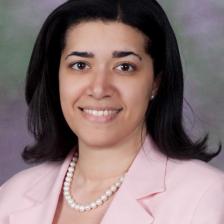
Erica Westenberg
Governance Programs Director

Nicola Woodroffe
Lead Legal Analyst