
Corruption in Mineral Value Addition: Why It Matters

Many mineral-producing countries are pursuing value addition to capture more economic benefits from mining and strengthen their position in global supply chains. This briefing examines how corruption can undermine those ambitions—making value-addition efforts less fair, less reliable and more costly—and outlines practical steps to manage the risks.
Key messages
Value addition can make mineral supply chains fairer and more reliable—if decisions are made with integrity.
Corruption in mineral value addition is occurring across a wide range of countries, minerals and technologies, yet anticorruption is missing from many current initiatives. In some contexts, it is being actively weakened.
Politicians and companies in many countries are promoting value-addition projects that are unlikely to happen or to be economically viable. These claims deserve scrutiny.
Corruption in value addition undermines fairness by funneling wealth and opportunities to a privileged few, while harming vulnerable communities.
Corruption can also make mineral supply chains less reliable, delaying projects, discouraging investment and cutting output.
Governments, companies, investors and international initiatives can take concrete steps to mitigate corruption risks in mineral value addition.
This briefing explores how corruption can undermine efforts to promote mineral value addition, a growing priority for mineral-producing countries amid the energy transition and shifting geopolitical dynamics. Using real-world examples across regions, minerals and processing stages, it examines how corruption distorts policy choices, project selection and implementation, with consequences for fairness, public revenues, investment and supply-chain reliability. The briefing concludes with practical recommendations for governments, companies, investors and multilateral organizations.
Authors
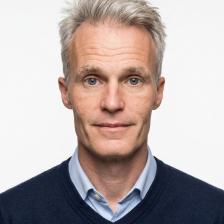
Aaron Sayne
Lead, Sustainable Energy Supply

Matthieu Salomon
Lead, Anticorruption

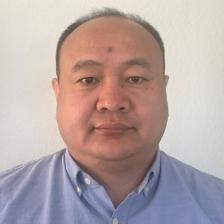
Dorjdari Namkhaijantsan
Mongolia Manager

Frenky Simanjuntak
Indonesia Consultant