
The Resource Governance Index Drives Reform in Uganda

In 2021, NRGI published RGI assessment results for 18 countries including Uganda, where it assessed both the mining and oil and gas sectors.
The challenge
The RGI assessment revealed two significant challenges in Uganda’s extractive sector.
First was the absence of fiscal rules governing revenue withdrawals from the Petroleum Fund. Once Uganda begins oil production, the resulting revenues will be deposited into the Petroleum Fund, held at the Bank of Uganda. Withdrawals from the Petroleum Fund will flow to the Consolidated Fund (to finance infrastructure and development). The remaining balance will be transferred to the Petroleum Revenue Investment Reserve (a sovereign wealth fund) to be invested outside the country. Fiscal rules would set guidelines on how much can be transferred to the Consolidated Fund for budgetary spending and how much should be transferred to the sovereign wealth fund. Resource-rich countries without relevant fiscal rules risk that political pressure results in pro-cyclical budgetary spending, which increases or decreases with volatile oil prices. This in turn risks a scenario in which the government fails to save any revenues in the sovereign wealth fund.
Second, NRGI’s assessment highlighted the absence of laws requiring the disclosure of the identities of beneficial owners of extractive companies. Such laws enhance transparency and accountability and mitigate corruption. Without them, Ugandans cannot know who ultimately owns the companies that benefit from extraction, and some extractives companies may evade taxes payments or hide improper relationships with powerful decisionmakers.
With low scores of 55 and 49 (out of 100) in the mining and oil and gas sectors respectively, the RGI results highlighted the pressing need for reforms in Uganda’s extractive sector and the need for greater transparency and accountability to ensure that resource revenues benefit Ugandans.
NRGI’s role
In response to its findings, NRGI recommended several key reforms to the Ugandan government. Among them, NRGI suggested making the identity of beneficial owners of companies engaging in extractive projects publicly available and implementing robust numerical rules governing deposits to and withdrawals from the Petroleum Fund, as well as firm rules governing the investment of oil revenues.
By providing technical assistance and financial support, NRGI played a critical role in driving engagement for these reforms. Between February and June 2022, NRGI prioritized engagement with the Ugandan government to push for the implementation of these recommendations. NRGI staff also met with key stakeholders, including the Ministry of Finance, civil society organizations and media partners such as CSCO, ACME and CSBAG, to develop capacity on transparency and accountability, petroleum revenue management, beneficial ownership disclosure and fiscal rules.
Impact
NRGI’s engagement with the government of Uganda resulted in significant legal and institutional policy reforms. Following a series of strategic meetings between NRGI and the Ministry of Finance, Planning and Economic Development, and in collaboration with the International Monetary Fund, the government of Uganda adopted fiscal rules for petroleum revenue management. The rule adopted by parliament provided that: “A maximum of oil revenue worth 0.8% of the preceding year’s estimated non-oil GDP outturn shall be transferred to the Consolidated Fund for budget operations. The balance shall be transferred to the Petroleum Revenue Investment Reserve (PRIR) for investment in accordance with the Public Finance Management Act (2015) as amended.” (Objective 3 of the CFR 2021-2025).
NRGI’s engagement with the government of Uganda resulted in significant legal and institutional policy reforms.
In addition, following NRGI’s engagement with the Ministry of Energy and Mineral Development and the Uganda National Oil Company, the parliament amended Uganda’s Companies Act to include a requirement for companies, including those in the extractives sector, to disclose their beneficial owners. The successful implementation of these amendments could serve as a catalyst for addressing potential corruption and elite capture of Uganda’s extractive sector.
These reforms are timely, given that Uganda is undergoing a major extractive sector transition, with the government keen to unlock the sector’s potential while avoiding the “resource curse.” NRGI’s analysis provided policymakers and citizens with a measurable lens through which to understand trends in performance and gaps, enhancing transparency and accountability in the extractives sector.
NRGI will continue to engage civil society organizations and other stakeholders to enhance their understanding of the rationale and importance of fiscal rules to better hold the government to account and ensure that the government adheres to the beneficial ownership provisions in the Companies Act.
ResourceContracts.org
A repository of mining, oil and gas contracts

Podcasting for the People in Congo

In Swahili, tetea means defend and mazingira means environment. It’s a fitting title for the podcast that Daniel Makasi launched in Goma, a city in the eastern Democratic Republic of the Congo, in September 2022.
In its relatively short lifespan, the Tetea Mazingira podcast has featured women who work in the extractive sector (a group disproportionately impacted by mining); highlighted the harsh reality facing children living near mines; and shown how logging companies operating without proper consent have ignored the rights of Indigenous Pygmy communities. In short, it has provided in-depth, expert analysis of the DRC’s mining, forestry and hydrocarbon industries, and broadcast testimony from those directly affected by extraction.
A platform for amplifying peoples’ voices and exposing the harm they face from the extractive industries was sorely needed.
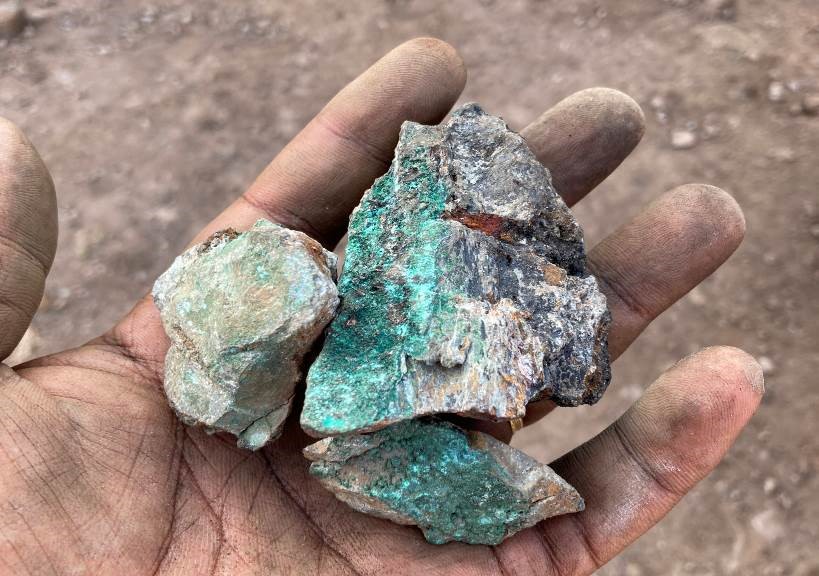
As in many resource-rich countries, foreign and domestic actors in the DRC have denied the majority of the population the social and economic benefits of the nation’s abundant natural wealth. And the public service that Tetea Mazingira offers will remain critical, given that the DRC holds vast quantities of the minerals needed for a clean energy transition.
“We have a great duty to communicate about the sustainable management of our resources,” says Makasi. “At the moment, it’s about the energy transition. Who exploits where, why and who wins what. In the DRC we have the strategic minerals to help the world make this energy transition, but what will the Congolese people gain while their minerals are being exploited? This transition has to be fair, equitable and inclusive.”
Resilience
Makasi was born and still lives in Goma, the capital of North Kivu province. The city is home to around two million people.
“We live with many threats,” says Makasi. “We are still learning to be resilient despite all the difficulties we face–security challenges, but also the presence here of toxic gas [which is released because of volcanic activity and which kills many people every year].”
Fifteen miles from Goma is also Mount Nyiragongo, one of the world’s most active volcanoes that spews the planet’s fastest flowing lava. In May 2021, the volcano erupted, forcing 400,000 people from their homes and leaving at least 32 dead.

These are just some of the many social and environmental challenges faced by the people of North Kivu province: from foreign mining companies that encroach on community land without consultation or contribution to local development programs, to a population forced to use firewood because they lack electricity (thereby contributing to the deforestation ravaging the DRC’s tropical forests)—all against the backdrop of dire threats to their security from armed conflict.
Makasi’s desire to play his part in overcoming these problems set him on his current path.
He initially studied accounting, but changed direction because of his passion for the environment, and subsequently gained a degree in environment and sustainable development. Makasi started working in radio in 2015, before he’d even finished his degree–and was soon focusing on environmental stories.
“As an environmentalist, part of my motivation is to give a voice to people who are affected by environmental problems, and also approach experts to share their experience with us, to share the results of their research.”
“As an environmentalist, part of my motivation is to give a voice to people who are affected by environmental problems, and also approach experts to share their experience with us, to share the results of their research,” he says.
In 2019, Makasi received a grant from the Natural Resource Governance Institute (NRGI) to attend a summer school course on the governance of extractive industries at Bisson Catholic University of Central Africa campus in Cameroon, where he learned to interpret mining revenues data published via the Extractive Industries Transparency Initiative. He says that NRGI resources are “among my key tools when designing and producing my podcasts. I regularly consult NRGI news and blog posts to feed my inspiration.”
Global reach
Makasi’s switch from radio broadcasting to podcasting follows a global trend–there are an estimated three million podcasts across the world–and came after he undertook research which showed podcasting could greatly expand his audience. Podcasts are downloadable anywhere in the world, and have a reach far beyond the limits of the FM radio frequency on which he previously relied. “Now my shows can be heard far away from Goma, far away from the DRC,” he says.
In fact, people listen to Tetea Mazingira in more than 50 countries; these include other Francophone African nations such as Burkina Faso, Cameroon, Chad, Madagascar, Niger, Republic of Congo and Senegal.
“With the tools that are in place, it’s easy to map where the podcasts are being listened to and how many downloads they have, unlike the radio, where we don’t know who’s listening. We’ve even recently started to broadcast via YouTube’s new tool, YouTube Podcast,” says Makasi.
“We’ve interviewed people who defend the rights of minorities and discussed the regulation that’s meant to make their voices heard. We’ve also covered the problems surrounding the exploitation of methane gas in our region’s lakes, and the stories of the fishermen enduring the pollution because of it. When we cover these issues, we also have to approach the communities that are at risk, and not ignore that it’s also a business opportunity for people who can be employed in companies to exploit methane gas,” he adds.

Makasi also draws inspiration from interacting with listeners, who share their questions and ideas for programs, helping shape the podcast’s direction, making it truly inclusive and reflecting their concerns.
Podcasts can also be broadcast on the radio, which remains an important channel in the DRC. Five radio stations in North Kivu province now include Tetea Mazingira in their schedules. Among them is the Tayna Community Radio, which broadcasts Tetea Mazingira twice a week on the FM band, and has a listenership of about two million listeners, according to January 2021 estimates by Radio Tayna's management.
Some local authorities, Agence Congolaise de la Presse ACP/Nord-Kivu (a national news agency in the Democratic Republic of Congo), and a network of reporters who write on biodiversity, are interested in producing other podcast episodes on natural resource governance, climate change and natural disaster issues in North Kivu province and DRC. With such collaborations Tetea Mazingira’s reach could continue to grow.
“We want to make the voices of our communities and experts heard through our podcasts so that those who are far from the DRC know the challenges we face,” says Makasi.
Tetea Mazingira will continue to raise awareness of the challenges posed by natural resource extraction in the DRC–and equip the public with the vital information needed to tackle them.
War in Ukraine: Strategic Challenges for Extractive Governance in Latin America

Key messages
- In the context of the war in Ukraine, the overall economic outlook for Latin America is poor. However, countries rich in natural resources will receive extraordinary income due to increased commodity prices.
- High prices have led to decisions that could increase dependence on fossil fuels in the long term, including announcements of increases in production, new investments, and domestic fuel subsidies.
- This situation could slow down domestic energy transition agendas, but the problems created by fossil fuel dependence could also be an opportunity to encourage investment in renewable energy.
- Governments should use extraordinary profits made during this period to finance the energy transition and productive diversification.
- Neither this nor any other situation justifies lowering governance standards in the extractive sector.
Introduction
This briefing analyzes the impact of the war in Ukraine on strategic prospects and governance challenges in the extractive sector in Latin America, focusing on the situation in Colombia, Mexico and Peru. The analysis leads us to question the enthusiasm that some actors in the region have shown regarding the potential profits from natural resource exports. These profits will be realized in a scenario characterized by lower growth prospects, more expensive credit, lower rates of foreign direct investment and higher inflation and fiscal pressure to subsidize fuel and food.
In this context, we discuss three strategic challenges for natural resource governance: the increased commitment to fossil fuels and the slowing prospects for the energy transition; the need to strategically plan for the use of the extraordinary income that natural resource exporters receive due to high price cycles; and the importance of strengthening governance systems to prevent weakening standards for regulating resource extraction.
In addition to the humanitarian, economic and geopolitical impacts of the war, there are also potential environmental impacts, mainly related to climate change, as the war is changing the prospects for fossil fuel consumption.
Even before Russia’s invasion of Ukraine, the global economy was already facing the consequences of the health crisis caused by the coronavirus pandemic and bottlenecks in global supply chains. The war has further complicated international trade, exacerbating inflationary trends and the rise in commodity prices, particularly energy and food prices. Russia and Ukraine are major exporters of natural resources, including oil, gas, iron ore, nickel, aluminium, coal, grains, and fertilizers. According to the Secretary-General of the United Nations, Antonio Guterres, the war in Ukraine could trigger a “hurricane of hunger” and bring the global food system to collapse. The disruption of the supply chain will bring higher inflation and affect the recovery of the global economy. In addition to the humanitarian, economic and geopolitical impacts of the war, there are also potential environmental impacts, mainly related to climate change, as the war is changing the prospects for fossil fuel consumption and could further complicate the global energy transition.
Institutions such as Goldman Sachs and the International Monetary Fund (IMF) have indicated that the war in Ukraine will impact Latin America's economic performance: growth rates will be lower and interest and inflation rates will be increasingly higher across the region. The next few years will most likely bring financial instability and a decline in private investment. Despite potentially high revenues from higher commodity prices, higher energy and food costs could significantly weaken the prospects for these countries. Furthermore, the impact within countries will not be uniform. While some sectors, such as resource exporters, will benefit, others will be harmed, including possibly producers of food intended for local markets.
Extraordinary profits in an adverse economic context
The credit rating agency Fitch Ratings has revised forecasts for mineral and fossil fuel prices due to the situation in Ukraine. These generally show a short-term increase in prices, but a recovery of the original trends in the medium to long term. In the case of mining, prices of major metals and minerals will generally be higher than expected in 2022 and 2023. However, the projections remain unchanged for 2024 and the long term. In the case of copper, however, the long-term price forecast has been revised upward, as this metal plays an important role in global decarbonization strategies. The price forecast for thermal coal has increased through to 2025, but maintains its long-term downward trend, specifically because of the prospect of declining coal consumption due to associated high greenhouse gas emissions. For oil and gas, the same rating agency projects high prices between 2022 and 2024; thereafter the downward trend will be maintained.
In Latin America, the incomes of countries rich in natural resources will be boosted by the increased prices of the commodities they export. The dynamics vary depending on the type of resource. Thus, for example, copper producers like Chile and Peru will benefit from the long-term prospects for this mineral, even though production costs are also higher against a backdrop of inflation and high energy prices. In the case of Colombia, the main mining export is coal, the price of which is forecast to rise in the short term but fall in the medium to long term. This country will also benefit from high nickel prices. As for mining in Brazil, it is important to note that the country is a major exporter of iron ore, which is also experiencing an upward cycle.
Oil exporters are also expected to see an increase in revenues due to higher prices. These include countries like Brazil, Mexico, Colombia, Ecuador and Venezuela, in addition to Guyana’s significant export prospects. Despite the structural difficulties they face, state-owned oil enterprises in the region have got a new boost to their operations in the context of high prices.
In Mexico, according to the Brattle Group, additional income from crude oil exports at $100 per barrel amount to about $284 million per week. Most of this revenue is going to Pemex, which, as the most indebted oil company in the world, is forced to use this extraordinary income to improve its financial situation and reduce its debt.
In Peru, the state-owned company Petroperú is in the midst of an internal crisis that has led risk rating agencies such as Fitch and S&P Global Ratings to reduce its credit rating and elsewhere to talk of a potential bankruptcy of the company. Recently, however, there has been a change of leadership in the company and the Talara oil refinery has come into operation, which could give Petroperú new momentum. In the case of Colombia, Ecopetrol earned record profits in 2021. Projections for 2022 suggest that public and private investment in hydrocarbons will increase as production declines due to the lack of new discoveries of significant reserves, which in turn will lead to increased offshore exploration.
High fossil fuel prices also pose a challenge to domestic demand for fuels. The price increase mainly affects countries that are net importers of oil and fuels, like Peru, but also producer countries that tend to subsidize domestic consumption or grant tax exemptions, such as Mexico and Colombia.
In the case of Mexico, the government has granted tax incentives to petrol refiners and importers, which they can credit against other taxes for each liter sold. According to several Mexican analysts, tax exemptions and subsidies have historically exceeded estimated additional oil revenues when prices have been high. As Mexico is a net importer of fuel, one of the largest investments by the government of president Andrés Manuel López Obrador (AMLO) is the Dos Bocas refinery. The purpose of this refinery is to strengthen Mexico's energy security by allowing the country to refine oil domestically and avoid dependence on fuel imports.
As has become clear worldwide, domestic fuel prices are a very sensitive political issue. In Mexico, measures seek to protect the purchasing power of Mexican households in the political context of a presidential impeachment and elections in six states. In Colombia, a liberalization of petrol prices could have unforeseen social consequences given the recent social unrest and electoral situation in the country. In Peru, a truckers’ strike related to high fuel prices put the government of Pedro Castillo in a particularly precarious situation in early April this year. As a result, the Peruvian government decided to include several fuels, such as 90-octane petrol, diesel and bulk liquefied petroleum gas— in the Petroleum Derived Fuel Price Stabilisation Fund, in addition to exempting several basic foodstuffs from general sales tax.
New enthusiasm for increasing extraction
Against the backdrop of a bleak economic outlook, extracting natural resources once again seems to be the best option for countries that have historically been committed to this activity. This is a global phenomenon. In Africa, the war in Ukraine and the blockade of Russian gas have generated expectations that the continent could supply Europe with gas, although it is unrealistic to think that this will be feasible in the short term. Similar enthusiasm has built up in Latin America, either because of opportunities to profit from high prices or because of the resurgence of the energy security agenda, with announcements of new oil investments in countries such as Argentina and Ecuador.
In Colombia, the prospects for oil and coal, the country's two main exports, have been greeted with enthusiasm. As a result of the oil price increase caused by the war in Ukraine, the oil producers’ association is expecting the industry to be more dynamic, with greater investments in exploration and in the development of unconventional sources, such as fracking, and offshore investments, both of which have sparked resistance from various actors in Colombia. Furthermore, according to statements by President Iván Duque after a visit to the United States, Colombia intends to increase its production from approximately 800,000 to 1 million barrels of oil per day. Oil is Colombia's largest export and its contribution to the royalty system accounts for about one third of the total, therefore any increase in the international price has a profound impact on the country's political economy.
The sharp increase in the price of coal has also revived enthusiasm for the industry in Colombia and complicated discussions about the transition to coal in producing regions, which intensified when Prodeco announced the closure of its operations in Cesar. The change in the prospects for coal is directly related to the war in Ukraine, as some analysts say the blockade on Russian coal has reopened the doors for Colombian coal in the European Union. Coal could also replace part of Europe's gas consumption from Russia. This is a relatively quick and straightforward alternative, as countries like Germany have not completely cut back on their coal consumption and have even reopened coal plants as a result of the war. The new situation reverses the downward trend in coal, at least in the short term, giving a renewed impetus for Colombia’s coal industry.

In Mexico, the war has favored the mining companies already in operation, due to the strong performance of silver, copper and goal, among others. In the case of oil, the price increase is helping Pemex manage its debt, which does not necessarily mean an increase in production, but possibly a review of the decision to reduce exports. In December 2021, Pemex’s director stated that the company would reduce its exports in 2022 and stop exporting crude oil by 2023, given that the administration's objective is to achieve energy sovereignty. However, this promise is now being reconsidered due to the rise in oil prices and the additional income that will allow it to subsidize domestic fuel consumption. The energy and finance ministries are currently conducting a detailed analysis to determine if this will change.
In Peru, public debate in recent months has focused on inflation worries, particularly regarding energy and food prices. Peru exports various mining products, some of which are rising in price, including copper, silver, zinc, tin and iron. However, rising oil prices will hit the sector’s cost structure. In addition, there are the recurring social conflicts in various mines around the country, as for example in the southern mining corridor. The high level of conflict, combined with low business confidence in the Pedro Castillo government and institutional deterioration in the energy and mining sectors, have led to a slowdown in mining investment in the country. In view of this, according to Fitch Ratings, in a note picked up by Diario Gestión, the boards of foreign mining companies have not approved any new projects in Peru.
On the other hand, testing of the new Talara refinery began on 12 April this year and officials expect it to be fully operational by the end of 2022. As a precaution, the Peruvian government has not promised any price cuts as a result of the new refinery, although it is offering more competitive prices to the wholesale market and cleaner fuels to the local market.
In the context of the war in Ukraine and related energy security challenges, the Peruvian government has stated its intention to increase oil production through state-owned Petroperú, mainly in the country’s Amazon region. Petroperú plans to participate in oil extraction at Lot 192, the largest in the country, but also the one that has suffered the greatest number of spills. This situation has led to a long history of conflicts with indigenous peoples in the Amazon department of Loreto and along the northern Peruvian pipeline that transports extracted oil to the Talara refinery on the country's northern coast. Furthermore, the state oil company plans to become a partner in a series of lots which, in principle, would be returned to Petroperú in the coming years when their contracts expire. However, this is generating resistance and conflicts with the private sector, which are also being voiced in the country’s parliament. Added to this new push for oil is the government’s political decision to spread the use of Camisea gas across the country, which would also involve increasing natural gas reserves, in this case from the Amazon region of Cusco.
Strategic challenges for the governance of natural resources
The disruption caused by the war is influencing pre-existing political dynamics and governance challenges in each country. At the regional level, the problems that Latin America already faces in terms of natural resource governance, such as the reprimarization of exports, problems with corporate management in state-owned oil companies, little progress in domestic energy transition and high levels of conflict related to extractive activities, are exacerbated by high prices and the resulting pressure to deepen the extractive agenda.
There is evidence that high prices encourage national oil companies to make risky bets in terms of new investments that may not be viable in the future of the global energy transition.
Although the scenarios of the countries analyzed vary, they all have in common an increased commitment to fossil fuels. This is true for Colombia, Mexico, Peru and many other countries in the region and the world. It is important to note, however, that these short-term price prospects do not determine the companies' long-term strategies. There is evidence that high prices encourage national oil companies to make risky bets in terms of new investments that may not be viable in the future of the global energy transition. The enthusiasm for fossil fuels comes at a time when scientists and activists are calling more strongly for the need to drastically reduce greenhouse gas emissions.
The message is clear: unless immediate and radical action is taken, we will not hit the target of reducing global warming to 1.5°C. And while fossil fuel consumption will not stop overnight, global criteria to allow developing countries to have priority in extraction must be discussed, but without encouraging new exploration projects. The Secretary-General of the United Nations, Antonio Guterres has pointed out that the obsession with obtaining oil in the short term may increase dependence in the long term and could also lead to failure to meet climate goals. Regarding the support given to coal consumption by G20 countries in the context of the war, Guterres has said that “Their support for coal not only could cost the world its climate goals. It’s a stupid investment”.
In the long term, we can expect a decrease in fossil fuel consumption and an increase in the renewable energy market.
The renewed push for fossil fuels is linked to price increases, which, as we have seen, are a short-term factor, and to concerns about energy security. Governments need to consider the medium- and long-term prospects when making decisions. In the long term, we can expect a decrease in fossil fuel consumption and an increase in the renewable energy market. This is due to climate considerations, but also issues of oil price volatility, bottlenecks in the fossil fuel supply chain and the association of oil with authoritarian and kleptocratic regimes.
Energy prices have also risen. Again, this is a short-term dynamic, as renewable energy are already a cheaper economic option than fossil fuels, and the long-term trend is that the transition to renewables will result in government savings. In the case of Latin America, progress on renewables varies between countries, but it is clear that active policies and the development of clear regulatory frameworks are required to promote these energy sources. The transition to renewables also presents opportunities for investment in new technologies. The deepening of the fossil fuel consumption agenda is slowing down the progress of renewable energy in the region.
In this context, how to take advantage of the extraordinary resources that high prices for non-renewable resources bring is an important topic for public discussion. As we have seen, economic prospects are generally poor and many of these resources go towards stabilizing fuel prices domestically. Insisting on investments that increase dependence on fossil fuels, as is the case in Mexico, Colombia and Peru, under different formulas and conditions, is not a sustainable strategy in the medium and long term. Instead, windfall profits should be used to finance energy transition strategies and productive diversification.
Finally, given the high prices, pressures are increasing to expand the extractive frontier. Examples include pressure to develop mining projects in indigenous territories in Brazil, offshore oil projects and fracking in Colombia and the agenda to increase gas reserves in the Peruvian Amazon. From the perspective of extractive promoters, it is always a good time to make things easier for the functioning of the sector: when prices are low there is a need to avoid losses; when prices are high, there is a need to ensure profits. No situation justifies lowering environmental, social and governance standards for the extractive sector.
The authors are grateful for comments from Antonio Hill and Andrea Furnaro (NRGI) on an earlier version of this document. Likewise, the members of the Platform for a Sustainable Reactivation in Peru and Colombia and Sergio Guzmán from Colombia Risk Analysis, who took part in the discussion following a presentation on this topic in Bogotá in March 2022.
New Producer Contract Terms and Uncertainty: Lessons From the Recent Past

Key messages
- The discoveries of major deposits of oil and gas have historically generated significant hope for economic development in countries not previously known as petroleum- rich—sometimes called “new producers.” One source of optimism has been the theory that the discovery would reduce investors’ perception of geological risk and enable governments of producing countries to negotiate more favorable future contracts.
- A review of publicly available contracts across eight new producer countries shows that evidence in support of this theory in the recent past is mixed. Three of the eight secured more favorable terms in the contracts they signed after a discovery than in contracts they signed before the discovery. The other five countries studied demonstrated no such pattern.
- In some cases, governments did not take advantage of newfound post-discovery leverage. In others, such leverage did not materialize.
- The climate crisis and the global energy transition pose a further challenge to assumptions about government leverage in new producer countries, with the prospects of lower investor interest and lower value for production. Long-term global investment in the sector must decline dramatically to meet global climate goals, and many investors have begun to shift away from new projects. Governments in new producer countries should undertake sober analysis of market scenarios when deciding whether and how to pursue new projects, and should internally align their petroleum, finance, energy and climate objectives.
The petroleum industry is volatile, and governments in “new producer” countries have operated at a significant information disadvantage when negotiating with international oil companies. This challenge is growing today; new producer countries face intensifying questions around whether to offer fiscal incentives to maintain investment in the face of 1) the pandemic-induced volatility in oil prices and 2) long-term questions about the future of the industry in the face of the climate crisis and the global energy transition.
This confluence of short-term and long-term uncertainty is prompting a reexamination of the narrative that once took hold in many new producer countries. The traditional story was one of linear progression from being non-producers to small levels of production to ultimately having oil and gas become a major economic contributor over the long term.
This notion of progression was associated with a commonly held theory: After a country’s first major discovery, the geological risk that wells will be dry was expected to decrease. Countries could therefore shift from a position of having to grant tax breaks (and other concessions) to international investors, to taking a tougher stance in laws and negotiations for new projects going forward.
In this paper we examine whether this theory has been borne out in practice and make recommendations to support new producers in their navigation of the uncertainty associated with the energy transition.
Among the eight “new producer” countries, for which we analyzed a total of 26 contracts signed before and 25 contracts signed after discovery events (all occurring between 2001 and 2014), the evidence is mixed.
Governments and Companies Must Address Climate and Governance Risks When Petroleum Assets Change Hands

Whether driven by climate targets, reputational risk, financial considerations, or a combination of factors, some multinational enterprises are selling petroleum assets, sometimes as part of their decarbonization strategies. However, simply selling petroleum projects may not reduce, and may actually increase, climate impacts if assets are transferred from companies with stronger environmental and reporting commitments to those with weaker commitments. Moreover, unless handled responsibly, disengagement by reputable firms may increase certain other risks for host developing countries and their citizens, such as exacerbating weak governance, corporate capture and corruption, conflict, and human rights abuses. Governments, companies, investors and civil society actors should ensure that, when petroleum projects change hands, sustainability and governance standards do not slip. This may require revisiting approaches to petroleum laws and contracts and updating our understanding of company and investor social responsibility.
Seller companies should recognize that they too have important responsibilities. Sellers may soon see limits on a “clean” exit when transferring petroleum assets to less responsible parties. Increasing attention to the environmental consequences of such asset sales may mean growing reputational risks associated with irresponsible exits, along with pushback on whether such divestments should count as part of a company’s net-zero strategy. On the mining side, some legal experts have recommended that sellers conduct due diligence on buyers to assess their mission and reputation, ESG standards and adherence to international best practices, and that agreements include buyer commitments to maintain operating standards, stakeholder commitments and rehabilitation requirements. Such measures are critical for petroleum asset sales too, and sellers may build on existing approaches, such as buyer due diligence, to address anti-corruption risks. The appropriate mechanisms will depend in part on relevant laws of the applicable jurisdictions, but sellers will want to avoid the appearance of washing their hands of dirty projects to take a step forward on achieving their own net zero and ESG targets, while the host country and the planet take a step back.
Further, investors, regulators and standard-setting bodies that shape sector norms have a critical role to play in influencing company incentives and behavior. Climate disclosure and emissions reduction rules and standards must address reporting on transfers and transferred emissions. Emerging industry norms should also address broader risks associated with fossil fuel asset sales. These actors should develop standards that require sellers to conduct, and report on, due diligence on key policies and practices of buying companies, such as their environmental commitments, stakeholder engagement and measures to combat corruption internally and in engagements with high-risk partners.

Nicola Woodroffe and Erica Westenberg, ‘Governments and companies must address climate and governance risks when petroleum assets change hands,’ Columbia FDI Perspectives, No. 352, March 6, 2023. Reproduced with permission from the Columbia Center on Sustainable Investment.
Top photo by Spencer Thomas; bottom image by Shutterstock
Nigeria’s Next Government Must Lead an Inclusive, Cohesive and Sustainable Energy Transition

In a bid to avert the global climate crisis, countries are shifting toward cleaner energy systems. This presents a challenge to African countries like Nigeria that rely on dirtier fuels for both export revenue and domestic energy to drive their economies. But it is also an opportunity for Nigeria to transition its own energy system to improve energy access, reduce oil- and gas-related pollution, and develop industries to supply this transition.
The government’s Energy Transition Plan (ETP) is a pivotal step in responding to this challenge and opportunity. It comes at a huge cost—$1.9 trillion—and requires major social and economic changes. As citizens vote this weekend, it is essential that they have a better understanding of and a greater say in the country’s energy transition plan—even though none of the major candidates have even referenced the transition plan. This is a grave omission.
The plan prioritizes decarbonizing five sectors—power generation, oil and gas extraction, cooking, industry, and transport—and positions gas as the main fuel for electricity generation. However, it omits details on how to achieve its priorities. It aspires to drive economic growth but does not account for the risk the global energy transition presents for Nigeria’s oil sales and the loss of federal and state government revenues to fund this growth. It seeks to bring electricity to the 43 percent of Nigerian homes in darkness but does not provide a holistic framework for addressing long-standing domestic energy sector finance and infrastructure challenges. It aims to reduce poverty by creating jobs and increasing energy access but does not specify how the technological, financial and human resource gaps will be filled.
Prior to the COP27 climate conference, Victoria Ibezim-Ohaeri from Spaces for Change spoke to NRGI about the need to learn from past lessons.
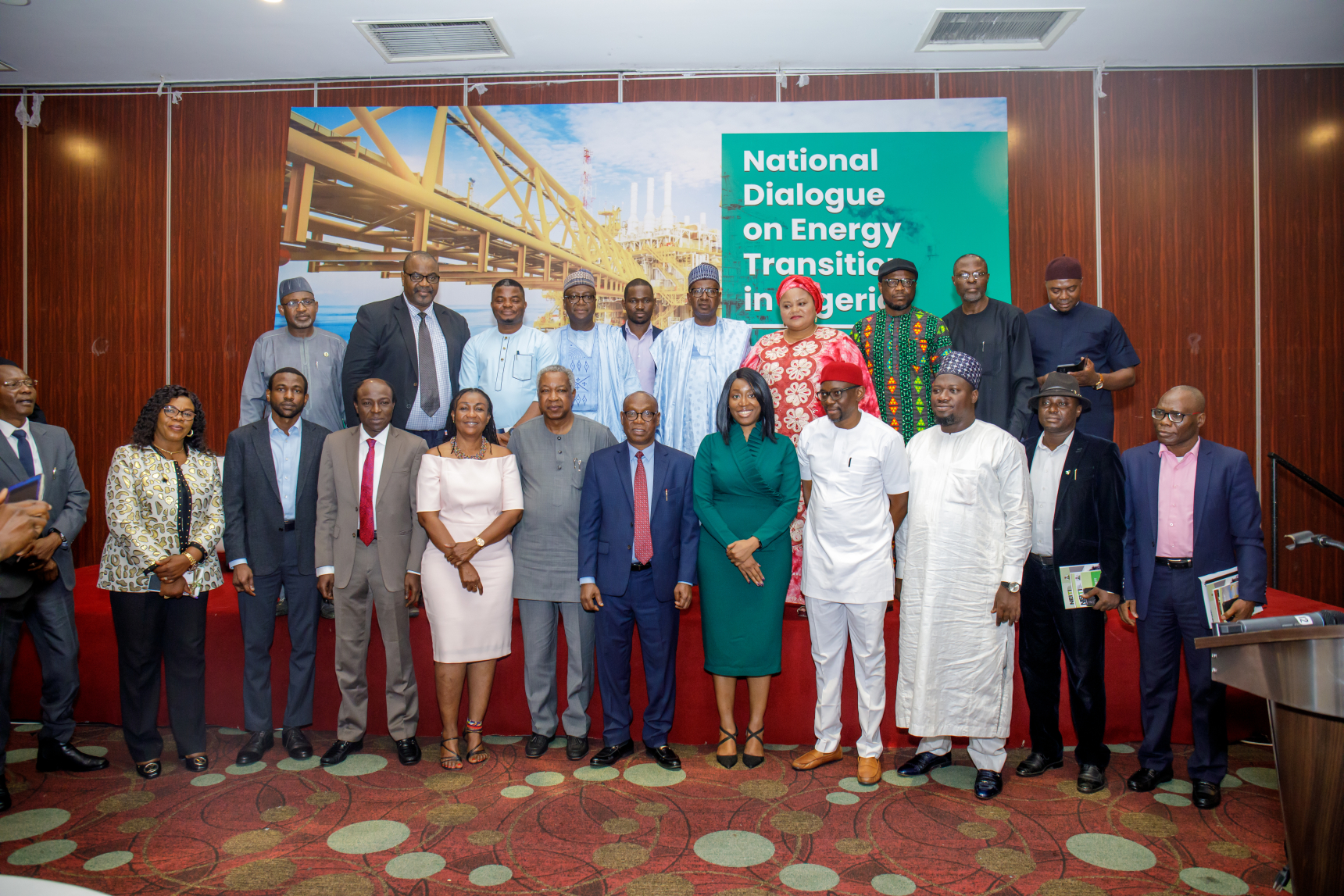
To address these omissions, last October, the Natural Resource Governance Institute (NRGI), the Nigerian Extractives Industry Transparency Initiative and BudgIT Foundation convened a national dialogue. Participants produced a communiqué with recommendations for consideration by the incoming government. In condensed form, they are:
- Mitigate the risk to Nigeria’s dependent economy. As Nigeria’s oil export customers transition their own energy systems and reduce demand for Nigerian oil, Nigeria’s oil-dependent economy and government finances will be increasingly exposed to risk which the energy transition plan does not adequately acknowledge. Nigeria’s next government should map risks to government revenues, employment, foreign exchange, supply chains, and Nigerian National Petroleum Corporation (NNPC) investments.

- Prioritize spending that spurs sustainable development beyond oil. Now, Nigeria pays more for oil subsidies than its anticipated earnings from oil. Prioritizing subsidy payments takes scarce resources from other sectors such as agriculture and information technology. Also, the NNPC continues to increase oil investments in what may become stranded assets. Authorities could better serve Nigerians if they built systems to reduce Nigeria’s oil dependency.
- Attracting investments to fund the plan. Nigeria must attract investment from donors, financial institutions and philanthropists in order to implement the ETP and diversify the economy beyond oil. The new government should provide incentives that encourage tangible investments in infrastructure, human resources, technology and other areas essential to delivering on the ETP rather than taking on unsustainable debt.
- Streamline and clarify policies and plans. The Federal Ministry of Finance, Budget and National Planning should ensure that the plan is properly aligned with existing federal and state plans. This includes the 2021 Nationally Determined Contributions, Decade of Gas Plan, Power Sector Recovery Plan, the National Development Plan, and other iterative plans to ensure that the ETP is implementable, realistic, and adopted by implementing government institutions. This is necessary to clearly demonstrate how the government can achieve its net zero goals and also ensure sustainable economic development.
- Resolve environmental legacy issues. As transition minerals such as lithium gain more importance in the global transition, the Federal Ministry of Mines and Steel Development must first address legacy mining issues, including environmental degradation and related social conflict to minimize the impacts before seeking to benefit. The Federal Ministry of Environment must also prioritize environmental remediation in oil-producing communities in preparation for a future beyond oil.
- Clarify its plans for gas use. The plan names gas as a transition fuel. The government should clarify what its expectations are for gas use for economic development and domestic gas energy systems. It must map out the infrastructure, finance and system gaps that have foiled previous gas expansion efforts. It must weigh that against the shrinking global fossil fuel investments and increased divestments from potential gas exploration by partner companies and adjust plans accordingly.
- Be collaborative, cohesive and realistic. Seamless collaboration and buy-in to the objectives of the plan from government institutions is necessary. Massive investment in gas will be required to drive its use as a transition fuel and reduce spending on oil, as set out in the plan. The recently inaugurated National Council on Climate Change (NCCC) should weigh the objectives of the plan against the policies and actions of critical government institutions, such as the Federal Ministry of Power and Petroleum Resources. These must then be reconciled.
- Make the plan inclusive and equitable. NRGI has found that oil-producing communities, women and youth groups appear to be the least consulted and prioritized in the current ETP. Implementing it requires buy-in and active participation. Few Nigerians understand the plan, how it applies to average people, or their role in making it a success. Citizens cannot get behind a plan that they don’t understand—especially if they are to change energy use (from petrol and diesel to power businesses and households, and from kerosene and charcoal for electricity and cooking) to the solar and biogas sources the plan envisions.
Prior to the COP27 climate conference, Tijah Bolton-Akpan from Policy Alert spoke to NRGI about how community voices should help shape the energy transition plans and hold decision-makers accountable.
- Strengthen governance of the Energy Transition Plan. So far, the Federal Ministry of Environment and the Energy Transition Office have led on the ETP. The NCCC will soon assume leadership of the plan. To be effective, the council should be constituted in a fair, equitable and representative way that ensures that it retains the gains and institutional knowledge generated so far. The council should adopt policies that focus on transparency in revenue generation and spending of transition funds and use engagement frameworks to inform stakeholders of progress and plans.

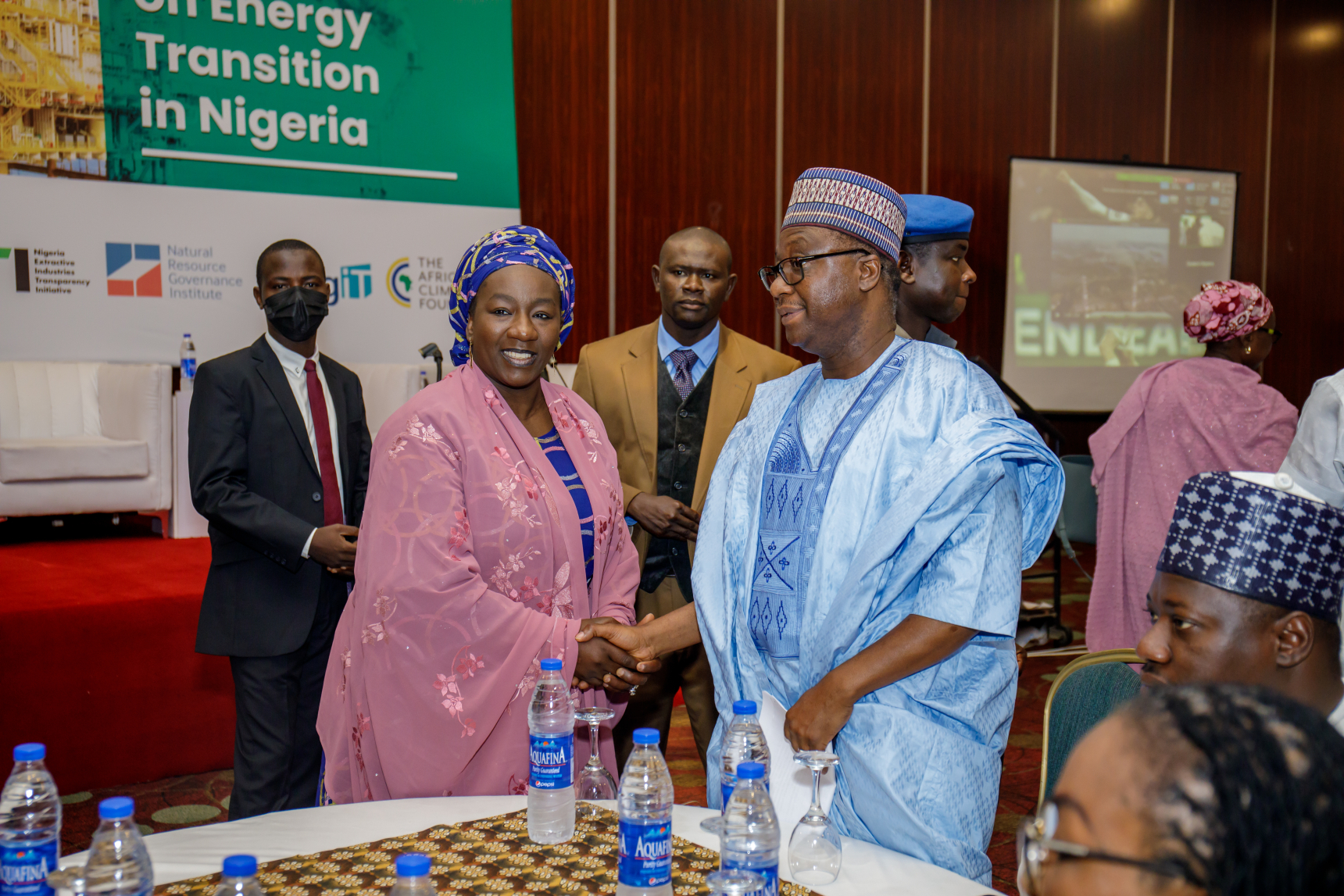
While no one can say who will triumph in Nigeria’s elections, it is clear that bold and inclusive leadership on the country’s energy transition must be among their priorities.
A Dozen Perspectives on Resource Governance: Voices From the NRGI-Blavatnik School Executive Course

The course brought together public and private sector leaders from 21 countries to delve into a range of complex issues in resource governance. Some of the participants sat down with NRGI communications team members to share unique perspectives on the challenges and opportunities in resource governance in their respective countries:
Marcelo Alvarez on Challenges Facing the Mining Industry in Latin America
Alaka Lugonzo on Regulatory and Policy Gaps in Kenya's Extractives Sector
Alaka Lugonzo on Fostering Dialogue Between Investors, Communities and Government in Kenya
Andrew Mercer on Planning for the Energy Transition in Ghana
Timothy Musa Kabba on Legal Reforms in Sierra Leone's Mining Sector
Timothy Musa Kabba on Building Infrastructure & Including Communities in Post-Conflict Sierra Leone
Carole Nakhle on the Role of Oil and Gas in the Energy Transition
Hamida Nuhu on Challenges Facing the Oil, Gas and Mining Sectors in Ghana
Jemima Nunoo on the Future of Ghana's Oil Amid the Energy Transition
Mohamed Hassadi on Three Key Concepts in Resource Governance
Batnairamdal Otgonshar on License Allocation in Mongolia's Mining Sector
Batnairamdal Otgonshar on Designing Sovereign Wealth Funds for Mongolia's Mining Sector
Khadija Sulaiman Bello on Nigeria's Gas-to-Power Projects
Zouheir Touiti on Building Trust Between Investors, the State and Communities in Tunisia
Interested in the NRGI and Blavatnik School of Government executive resource governance course?
The Future is Now: NRGI’s 2023 Priorities

Our work at the Natural Resource Governance Institute contributes to fair, prosperous and sustainable societies by advancing citizen and government efforts in resource-rich countries to:
- Drive systemic change to avoid harms from mining and equitably benefit from the responsible scale up of transition minerals necessary to avert global climate catastrophe.
- Build inclusive economies that end dependence on fossil fuels and advance a just energy transition for citizens.
- Manage revenues from natural resources accountably in response to citizen priorities.
Through dramatic upheavals—from global pandemic, through historic market volatility, to the kleptocracy that enables Russian aggression, and the explosion in demand for transition minerals—we have helped our partners navigate uncertainty with timely, relevant and rigorous support.
In 2023, we will draw lessons from our work since the launch of our strategy in 2020, including a review our progress on diversity, equity and inclusion. We will deepen our support to the energy transition, and adopt more impact-oriented, politically astute approaches. And reflecting our evolved priorities and identity, we will launch a new website and updated branding.
Having undertaken major strategic and organizational transformations, NRGI’s future is now.
Ensuring transition mineral good governance
In 2023, mindful of the historic opportunities for people to benefit from the rising demand in minerals critical to green technologies, and the potential for corruption and harm that often accompanies such booms, we are ramping up our programming on transition mineral governance. We are launching new work in Chile, focused on enhancing good governance and inclusive management of lithium. We are deepening our engagement in the Democratic Republic of the Congo to build an inclusive vision for the management of cobalt in the public interest and more accountable relationships between governments, companies and communities. We are supporting effective policies on taxation, licensing and value addition, and will engage civil society and policy makers at regional forums like the African Mining Indaba and Alternative Mining Indaba and across several regional institutions in Africa and Latin America. And we will work with partners to implement strategies to prevent supply chain corruption.
Supporting just and sustainable societies
In view of elections both recent (Colombia) and upcoming (Nigeria), we will ensure that our policy analysis informs public debate on how to reduce dependence on fossil fuels in producing countries. The strategies and governance of national oil companies will be a major focus, including in Ghana and Mexico. As countries like Nigeria and Senegal assess the role of gas in their ambitions to improve populations’ energy access we will help citizens and policy makers understand the pros and cons of these gas-to-power approaches, including how they relate to the development of renewable energy. We will invest heavily in building people-centered energy transition dialogues in Colombia, DRC, Ghana, Nigeria and Tunisia, convening inclusive conversations to help partners envision a low-carbon future that meets the needs of all citizens.
Internationally, we will build on last year’s partnerships and advocacy to amplify the voice and influence of low- and middle-income resource-producing countries in debates about transition finance and the pace and shape of the decline in production and use of fossil fuels. With an eye on the COP28 climate conference in the United Arab Emirates, we will work with civil society actors and policy makers across the Middle East and North Africa to understand specific regional challenges and advocate for international support to advance the energy transition.
We will further research just energy transition partnerships and support international dialogue around how they might accelerate transition in gas-producing countries. NRGI and its partners will also further advocate for stronger international governance standards to foster accountability in the energy transition, including via the much-needed evolution of the global Extractive Industries Transparency Initiative standard.
Building on lessons from 2022, as a globally connected, locally rooted organization, we will continue to prompt inclusive, evidence-based debate and decision making in resource-rich countries and amplify those priorities on the global stage. In 2023, working in partnership with reformers around the world, we aim to ensure that the future we seek begins now.
Top photo by Estivillml/Envato
Threading the Needle: How JETPs Can Support Gas Producers

At the halfway point of COP27 in Sharm El-Sheikh, Egypt, the role of fossil gas is both central to the climate conference’s outcome and still a hotly contested issue. Over the weekend, the Egyptian COP presidency held consultations about the “cover decision” that is the main outcome of COP, and which may feature reference to the role of fossil fuels and/or gas, specifically. (See this useful UN guide to the evolution of the COP26 cover decision, the Glasgow Climate Pact.)
In the run-up to these climate talks, the Egyptian presidency described gas as “the perfect solution,” and several countries made the case last week that gas should be a transition fuel. Others are pushing back, however. Former U.S. Vice-President Al Gore told world leaders on Monday that the recent dash for gas is a “dash down a bridge to nowhere.”
Although 70 percent of under-construction or planned gas projects are in North America, some of the most heated debate has focused on plans by African countries and other low-income producers that have contributed little to the climate crisis.
At NRGI, we have been exploring the role that just energy transition partnerships (JETPs) could play in helping this group balance development and climate goals. Interest in JETPs is running high at COP27. While JETPs have largely focused on coal producers so far, negotiations have also been taking place between international partners and Senegal, which will start producing gas in 2023. With Senegalese President Macky Sall suggesting a political agreement may be close, our working paper details recommendations for Senegal, other gas-producing countries, and international partners pursuing similar JETPs in future.
Read NRGI’s working paper and watch the recording from a related COP27 event.